This product is currently not available.
You can submit your request by the contact form. We will inform you without obligation about the possibilities.
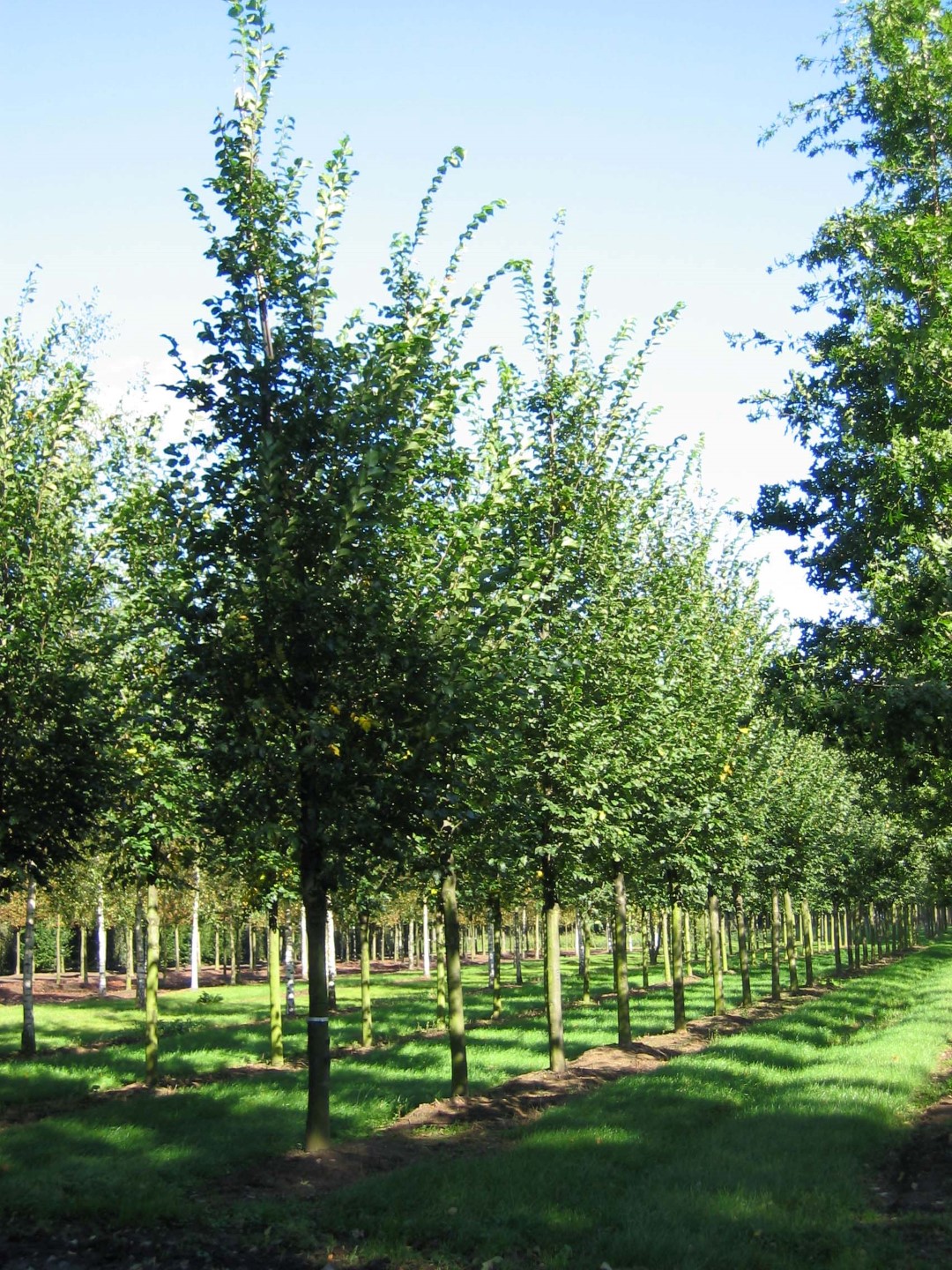
 Clear stem tree
 calcareous soil
 clay soil
 loamy soil
 sandy soil
 tolerates no paving
 resistant to frost (WH 1 - 6)
 suitable for shadow
 suitable for wet soil
 withstand long flood
 withstand short flood
 can withstand wind
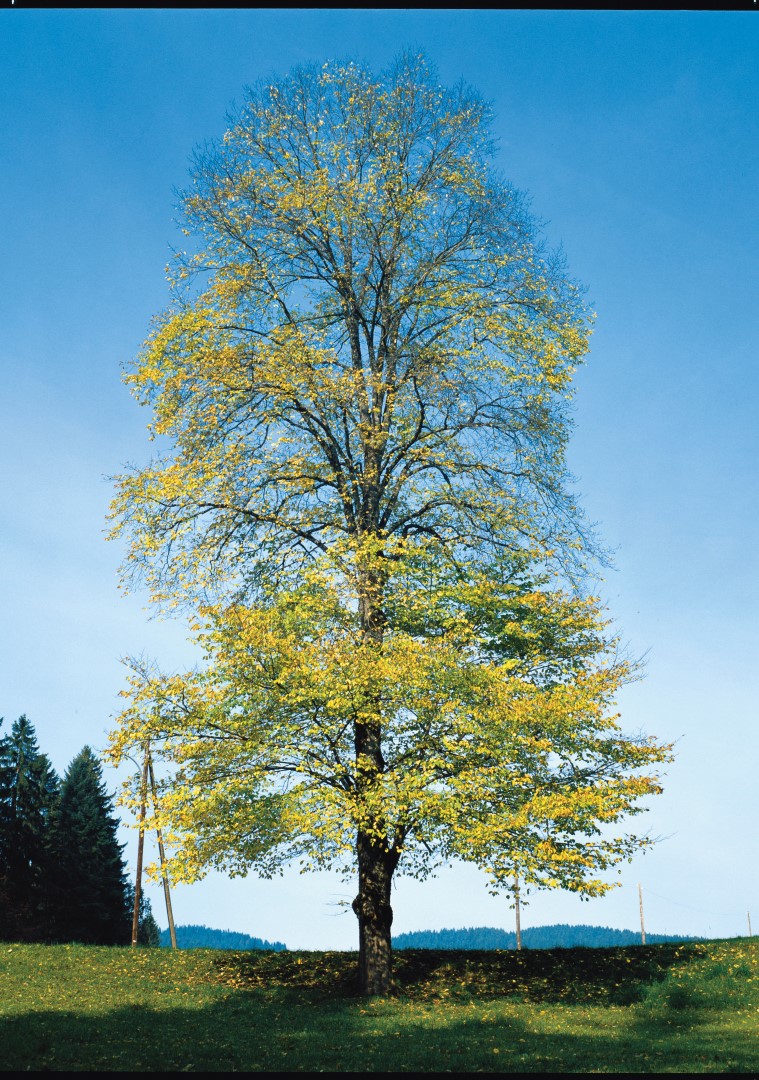
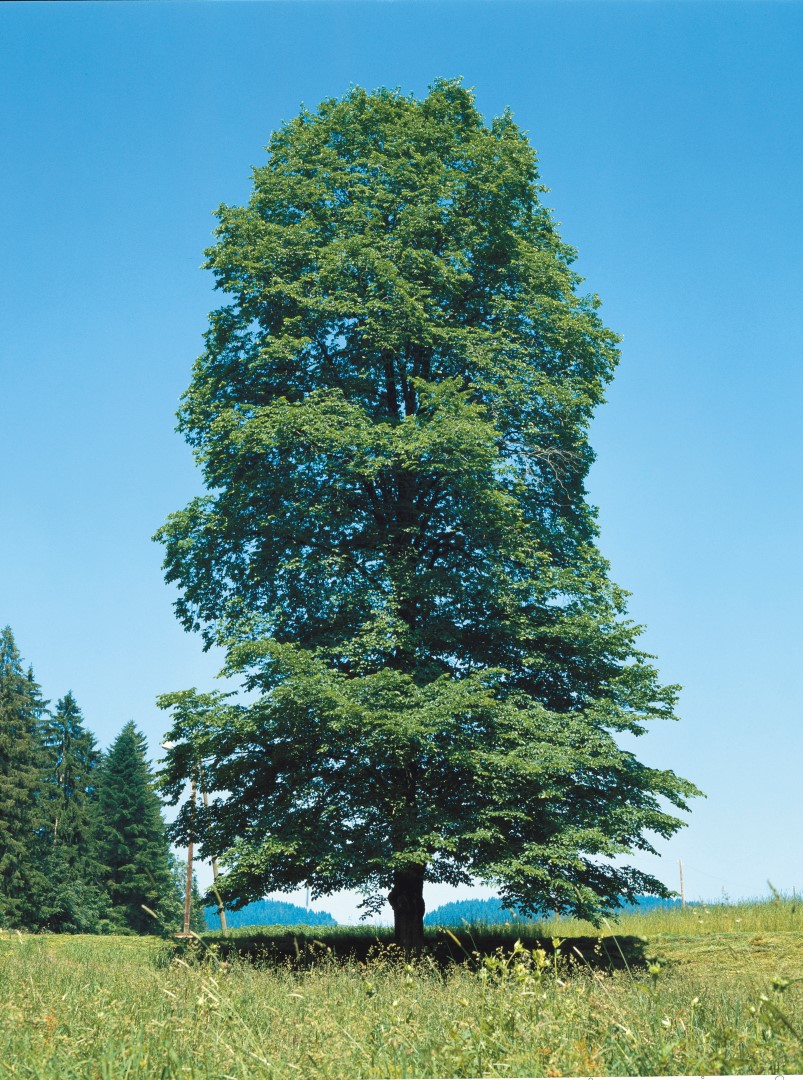
 broad ovoid
 1st size , taller than 12 metres
 dense crown
 green
green
 yellowgreen
 March
March
 fast growing
 Conspicuous bloom
 Attractive autumn colour
 valuable for butterflies
 non-toxic (usually)

 English
 English (United Kingdom)
 Nederlands
 Nederlands (België)
 Deutsch
 français
 čeština
 polski
 español
 română
 dansk
dansk
 svenska
 magyar
 Türkçe
 slovenčina
 русский
 norsk
norsk