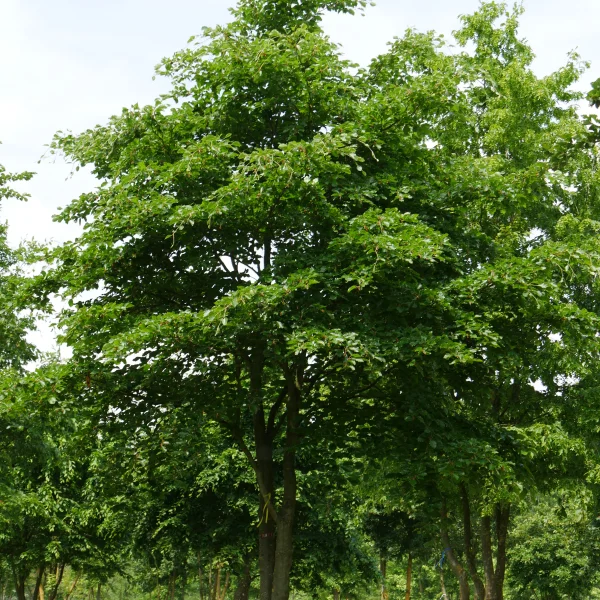
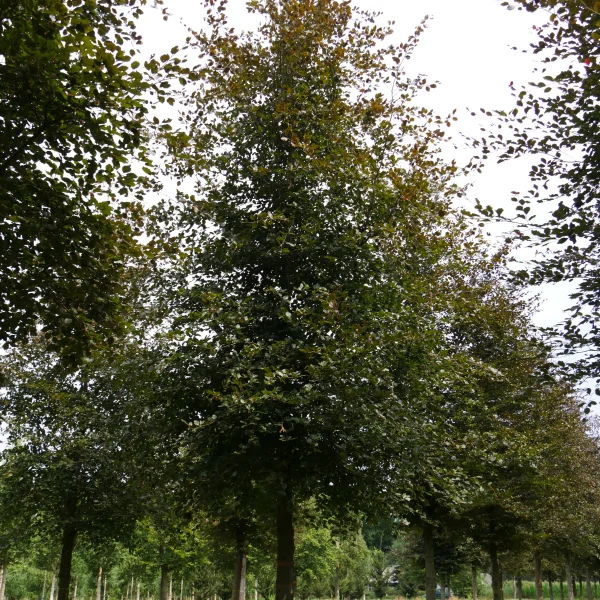
Clear stem tree
 Multi-stem tree
 calcareous soil
 loamy soil
 nutrient-poor soil
 peaty soil
 sandy soil
 tolerates partial paving
 resistant to frost (WH 1 - 6)
 suitable for dry soil
 can withstand wind
 1st size , taller than 12 metres
 half-open crown
 green
green
 white
white
 May
May
 early sprout
 average growing
 Conspicuous bloom
 Feathered leaf
 Attractive autumn colour
 valuable for bees (honey plant)
 valuable for butterflies
 provides food for birds
 non-toxic (usually)
 Ornamental fruit
 Edible fruits

 English
 English (United Kingdom)
 Nederlands
 Nederlands (België)
 Deutsch
 français
 čeština
 polski
 español
 română
 dansk
dansk
 svenska
 magyar
 Türkçe
 slovenčina
 русский
 norsk
norsk