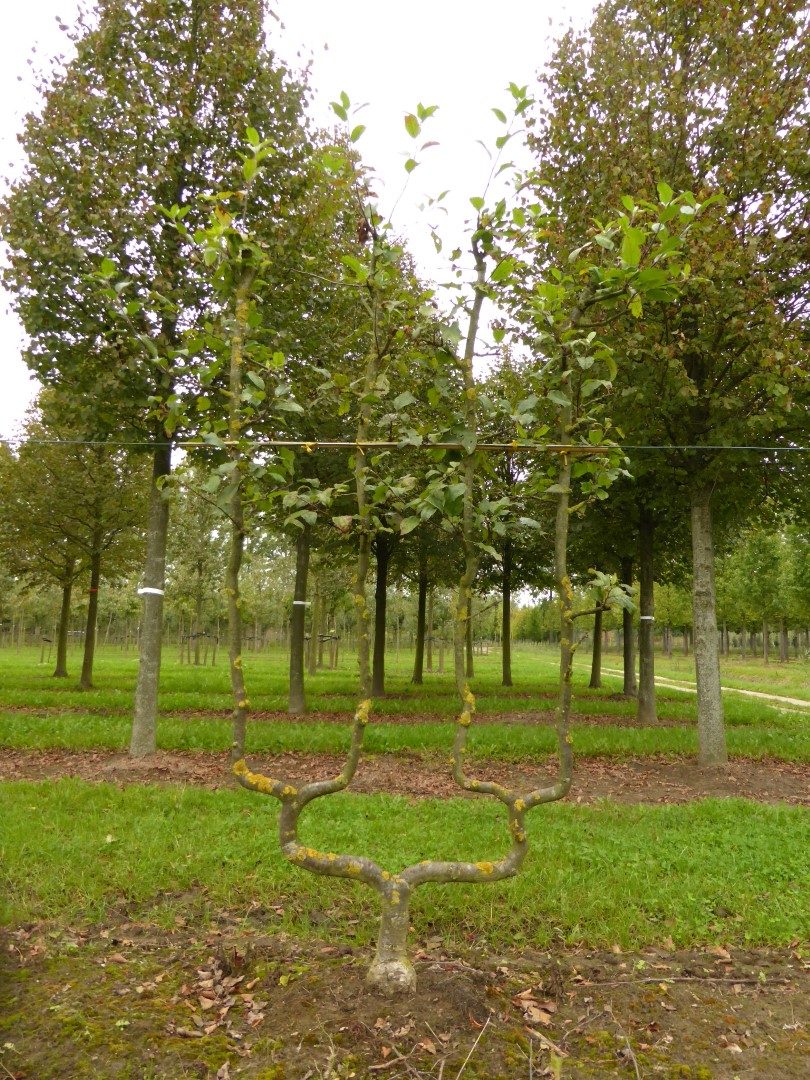
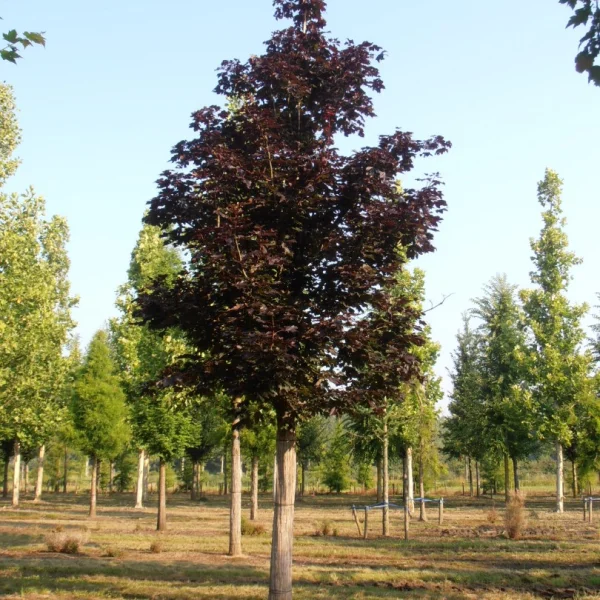
Multi-stem tree
 acid soil
 clay soil
 loamy soil
 sandy soil
 tolerates no paving
 resistant to frost (WH 1 - 6)
 can withstand wind
 flatened spherical
 round/spherical
 2nd size, between 6 and 12 metres
 half-open crown
 green
green
 white
white
 April
April
 average growing
 Conspicuous bloom
 valuable for bees (honey plant)
 provides food for birds
 non-toxic (usually)
 Ornamental fruit
 Edible fruits

 English
 English (United Kingdom)
 Nederlands
 Nederlands (België)
 Deutsch
 français
 čeština
 polski
 español
 română
 dansk
dansk
 svenska
 magyar
 Türkçe
 slovenčina
 русский
 norsk
norsk