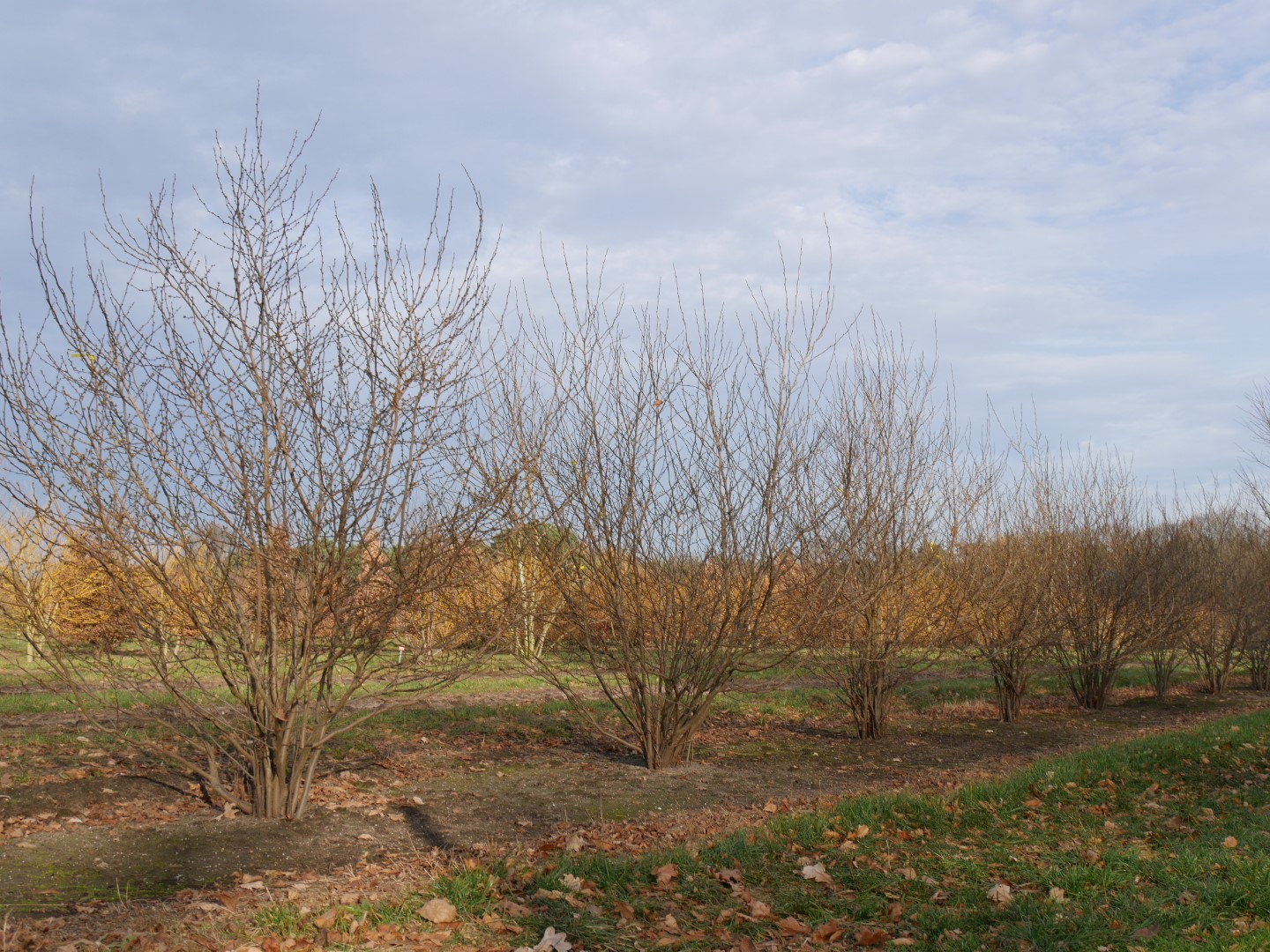
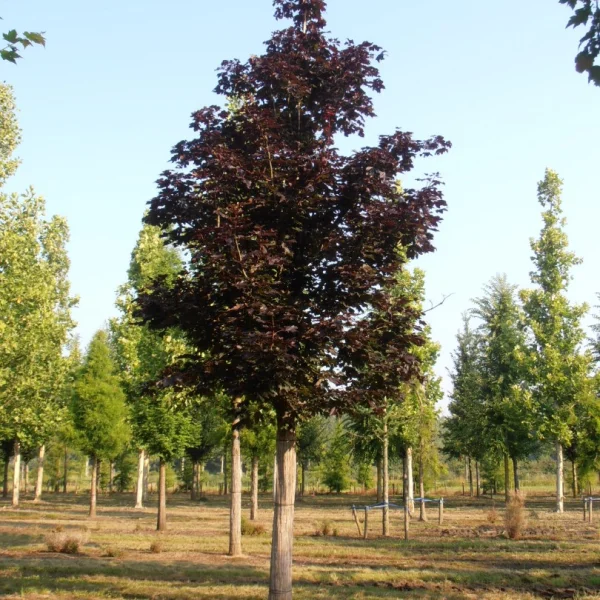
Lindera benzoin Lindera benzoin

Lauraceae

Lindera benzoin Lindera benzoin

Availability
Specifications
Download PDF
Height
3-5 m
Crown
vase-shaped, half-open crown
Bark and branches
twigs green to olive-green-brown, bark brown-grey, slightly grooved
Leaf
elliptical to obovate, 7-12 cm long, bright green
Autumn colour
yellow
Flowers
unisexual, green-yellow, in dense axillary bundles, March-April
Fruits
berry-shaped drupe, 1-1.8 cm long, red
Spines/thorns
None
Toxicity
usually not toxic to people, (large) pets and livestock
Soil type
clayed soil, loamy soil, sandy soil
Paving
tolerates no paving
Winter hardiness zone
5b (-26,0 to -23,4 °C)
Wind resistance
moderate
Other resistances
resistant to frost (WH 1 - 6)
Application
parks, cemeteries, large gardens, small gardens, patio gardens
Shape
multi-stem treem
Multi-stem tree loamy soil peaty soil sandy soil tolerates no paving resistant to frost (WH 1 - 6) suitable for shadow dense crown green yellowgreen average growing Attractive autumn colour non-toxic (usually) Ornamental fruit
Possibly of interest
Frequently asked questions
Lindera benzoin

Lindera benzoin can eventually reach a height of 3-5 m, depending on the site and climate conditions.

Lindera benzoin is average growing and can eventually reach a height of 3-5 m, depending on the site and climate conditions.

The leaves of Lindera benzoin turn yellow in autumn.

The right time to plant Lindera benzoin is during the dormancy period. In Western Europe, Lindera benzoin with root balls can generally be planted from mid-November to late April, although this depends strongly on the climatic conditions and the species of tree.

Lindera benzoin blooms in march, april.
General