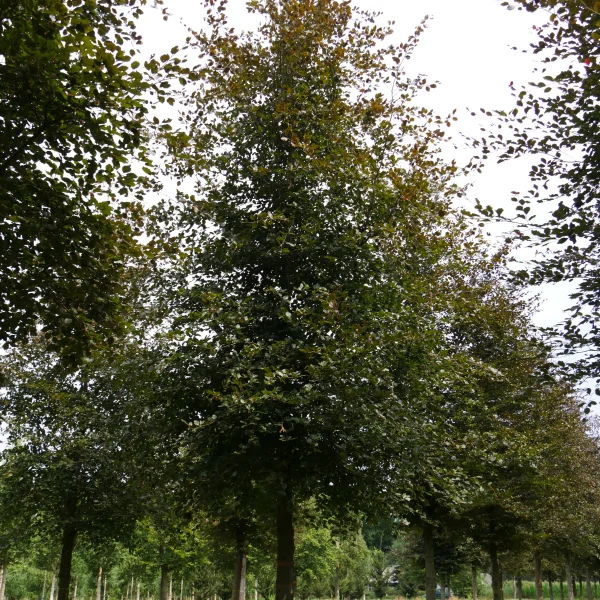
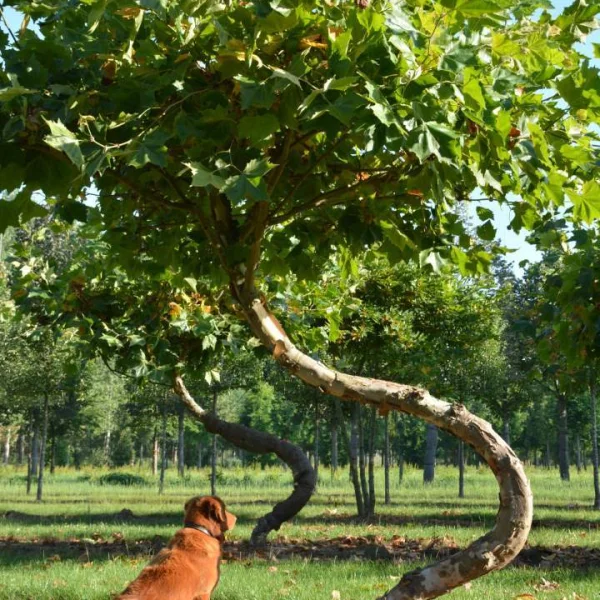
Multi-stem tree
 acid soil
 loamy soil
 peaty soil
 sandy soil
 tolerates no paving
 resistant to frost (WH 1 - 6)
 suitable for shadow
 broad vase-shaped
 open crown
 green
green
 yellow
 November
 October
 average growing
 Conspicuous bloom
 Attractive autumn colour
 non-toxic (usually)
 Capricious growing

 English
 English (United Kingdom)
 Nederlands
 Nederlands (België)
 Deutsch
 français
 čeština
 polski
 español
 română
 dansk
dansk
 svenska
 magyar
 Türkçe
 slovenčina
 русский
 norsk
norsk