This product is currently not available.
You can submit your request by the contact form. We will inform you without obligation about the possibilities.
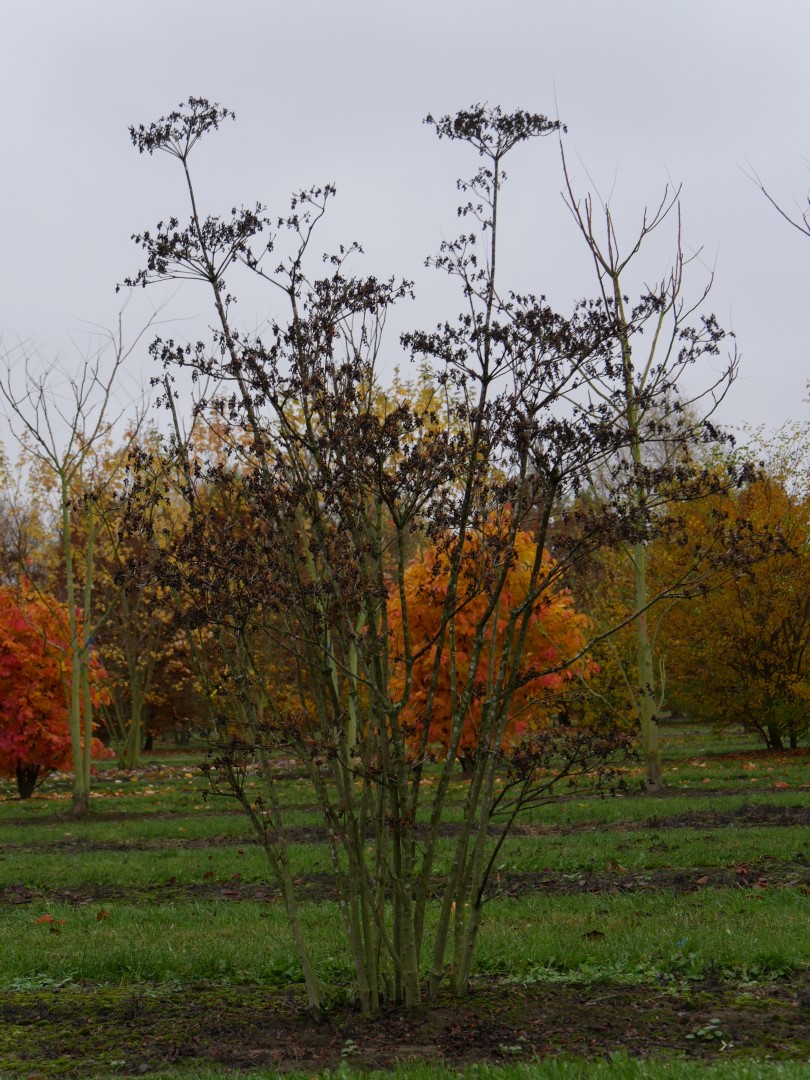
 Multi-stem tree
 acid soil
 peaty soil
 sandy soil
 tolerates no paving
 resistant to frost (WH 1 - 6)
 suitable for shadow
 ovoid/egg-shaped
 half-open crown
 green
green
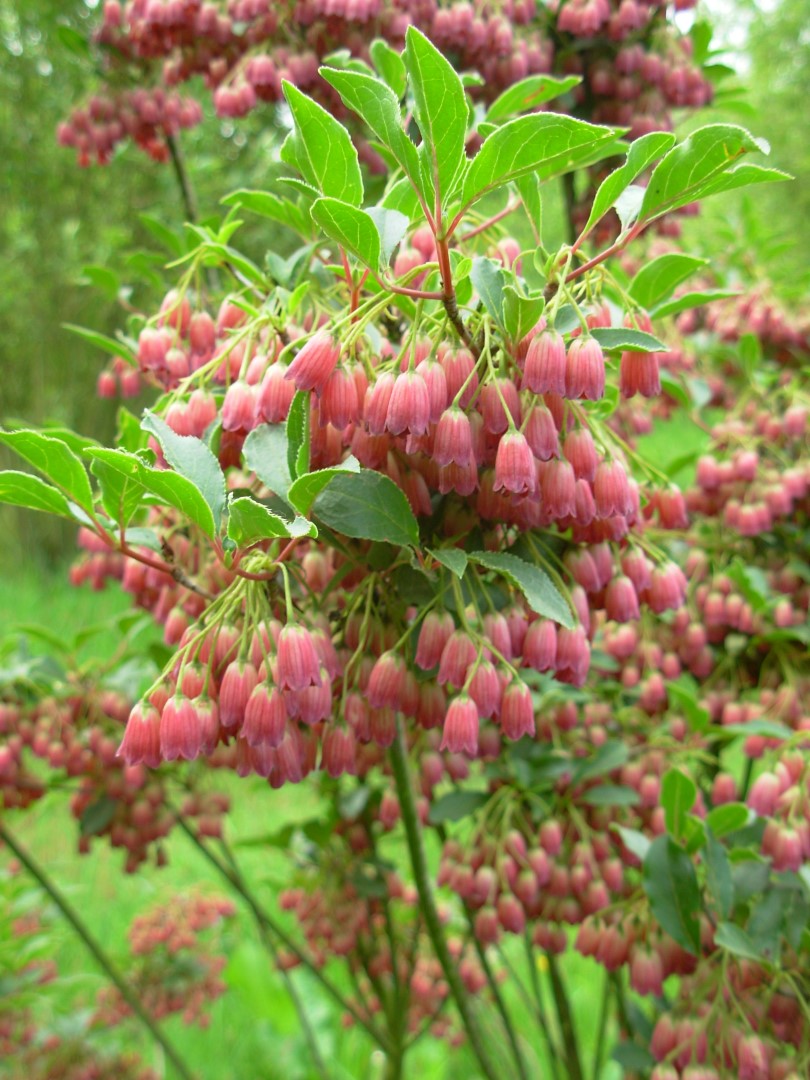
 pink
pink
 April
April
 May
May
 average growing
 Conspicuous bloom
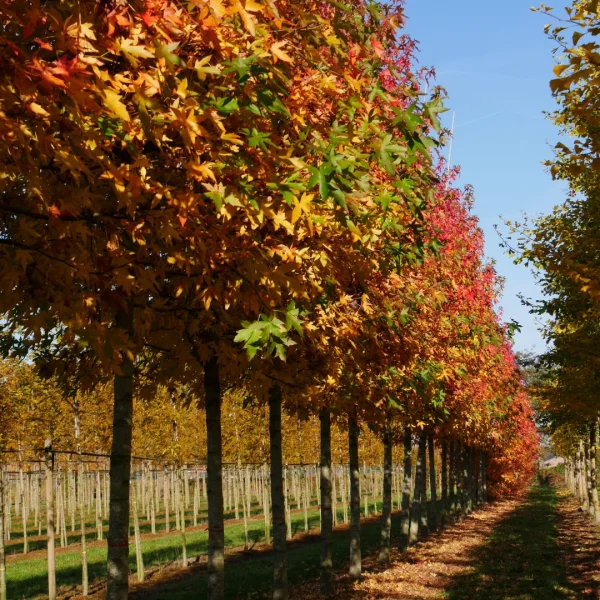
 Attractive autumn colour
 non-toxic (usually)
 Capricious growing

 English
 English (United Kingdom)
 Nederlands
 Nederlands (België)
 Deutsch
 français
 čeština
 polski
 español
 română
 dansk
dansk
 svenska
 magyar
 Türkçe
 slovenčina
 русский
 norsk
norsk